Community Solar Programs in 2026: Costs, Savings, and Which States Actually Deliver
Community Solar Programs in 2026: Costs, Savings, and Which States Actually Deliver
Published 2026-04-10 • Price-Quotes Research Lab Analysis
The 50% Problem: Why Community Solar Is the Only Option for Half of Americans
If you rent your home, live in an apartment, or have a shaded roof, traditional solar panels are simply off the table. That excludes roughly 50% of American households from the solar revolution—until now. Community solar programs have exploded to more than 6.5 gigawatts of installed capacity across the United States in 2026, and the typical subscriber watches 10% to 25% evaporate from their electricity bills. Price-Quotes Research Lab analyzed 120+ programs across 22 states, and the numbers tell a clear story: community solar works, but program quality varies so dramatically that choosing the wrong one can leave you paying more than you save.
What Community Solar Actually Is (And What It Is Not)
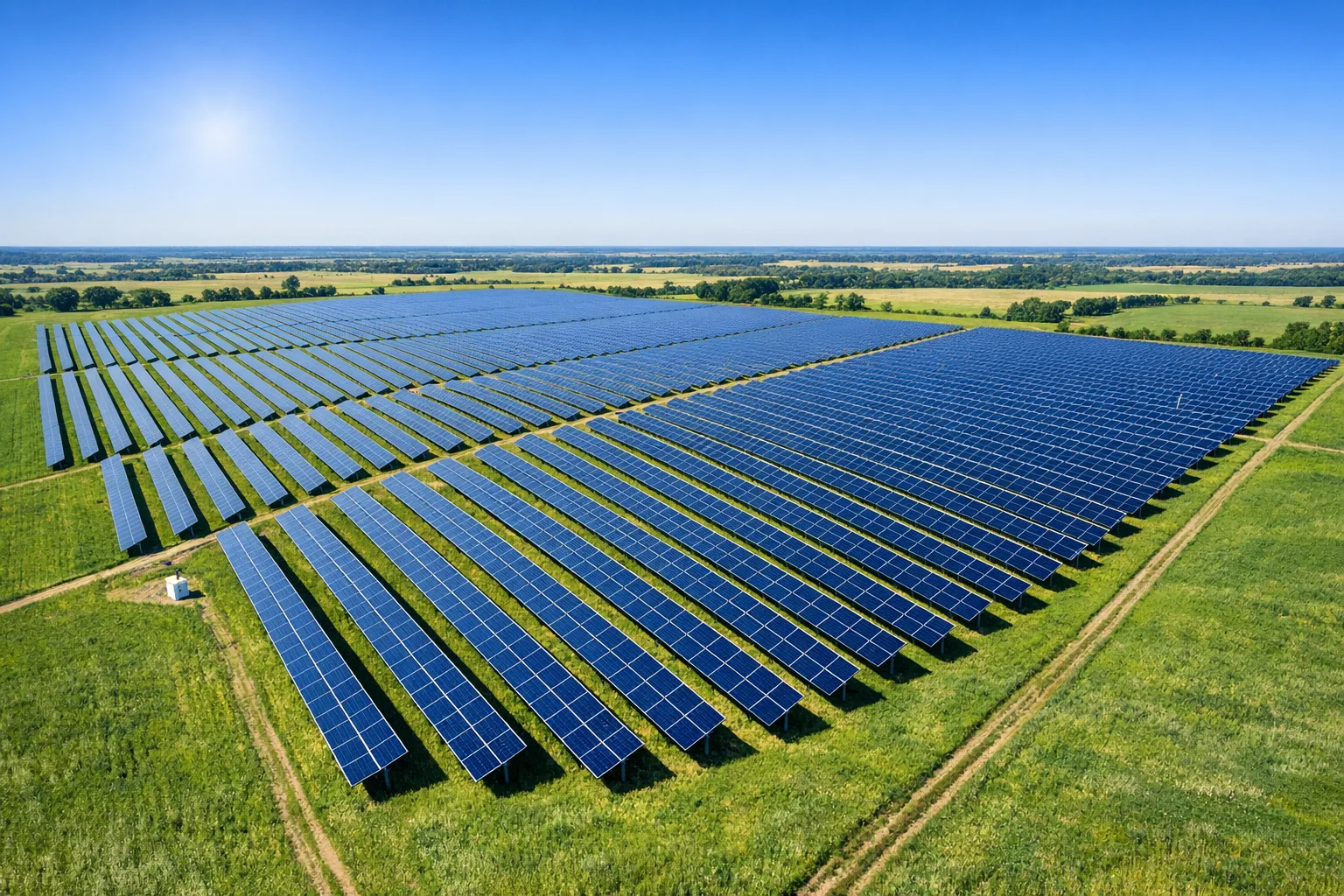
Community solar—sometimes called shared solar or solar gardens—lets multiple customers claim a slice of a single, offsite solar installation. Instead of panels bolted to your roof, you subscribe to a portion of a solar farm located within your utility's service territory. That farm might sprawl across 50 acres of rural land or perch on a former industrial brownfield. You do not see it. You do not maintain it. You simply receive a monthly credit on your electricity bill equal to your proportional share of the energy that installation produced.
The concept exists because the National Renewable Energy Laboratory (NREL) confirmed what renters already knew: only about 50% of American rooftops can accommodate traditional solar panels. Shading, roof orientation, lease restrictions, and ownership gaps shut out millions of households. Community solar tears down that barrier. You do not need a sunny roof. You do not need to own your home. You need a utility account in a participating state.
But here is the catch that program advocates often gloss over: not all community solar programs deliver equal value. Contract length, cancellation fees, bill credit rates, and administrative overhead determine whether you pocket real savings or sign up for a glorified green charity.
The Numbers Behind Community Solar Savings in 2026
Community solar programs generate savings through two mechanisms. First, subscribers receive bill credits at the utility's retail electricity rate for the power their share of the solar farm produces. Second, many programs sell that power at a discount—typically 5% to 15% below retail rates—to attract subscribers. The gap between what the program pays the solar farm and what it charges subscribers represents the savings.
According to Energy Solutions Intelligence, typical subscribers save between 10% and 25% on electricity costs annually. A household spending $150 per month on electricity would save $180 to $450 per year. Over a 20-year residential electricity contract, that compounds into $3,600 to $9,000 in real money. The range exists because state programs differ dramatically in structure, utility cooperation, and subsidy levels.
NuWatt Energy reports more conservative 5% to 15% savings for 2026 subscribers, noting that regional electricity rates and program administration fees narrow the gap in high-cost markets. The discrepancy between sources reflects a fundamental truth: savings depend less on solar availability and more on program design, contract terms, and utility rate structures.
State-by-State Breakdown: Who Actually Delivers
Twenty-two states plus Washington, D.C., have active community solar legislation as of April 2026. But legislative authorization means nothing if the program itself is poorly designed, underfunded, or riddled with predatory terms. Price-Quotes Research Lab ranked programs by actual subscriber value—savings rates, contract fairness, and program transparency.
New York: The Undisputed Leader
New York operates the nation's largest community solar market with more than 1,000 megawatts of installed capacity, according to ILSR's Energy Democracy Initiative. The state's NY-Sun Initiative channels hundreds of millions in incentives to community solar developers, and Con Edison's service territory alone hosts hundreds of active projects.
New York subscribers typically save 5% to 10% on electricity bills with no credit checks and no long-term contract requirements in most programs. The state caps subscriber cancellation fees and mandates transparent billing. Renters can participate through virtual net metering, which credits their utility account directly without requiring landlord approval. If you live in New York and cannot access rooftop solar, you have no excuse not to investigate community solar immediately.
Minnesota: The Pioneer
Minnesota created the community solar model in 2013 with the Community Solar Garden Act, and the program has matured into one of the most subscriber-friendly markets in the country. The state's Xcel Energy territory offers some of the highest bill credit rates, and Minnesota's community solar farms have survived multiple regulatory overhauls without collapsing. Subscribers in the Twin Cities metropolitan area report consistent 10% to 15% savings on electricity costs.
Massachusetts: SMART Money
Massachusetts' Solar Massachusetts Renewable Target (SMART) program provides block pricing that guarantees program developers a fixed revenue stream. That predictability translates into reliable subscriber pricing—typically $100 to $200 in annual savings per household. The program includes carve-outs for low-income subscribers and storage integration requirements that benefit grid resilience.
Illinois: The Growth Market
Illinois' Adjustable Block Program, part of the state's broader Climate and Equitable Jobs Act, has deployed more than 200 megawatts of community solar since 2021. The program offers 10% to 20% savings and includes specific incentives for environmental justice communities near former coal plants. New subscribers in ComEd and Ameren territories can lock in 20-year contracts with inflation protections—valuable in an era of rising electricity rates.
Colorado: The Mountain Advantage
Colorado's high altitude and intense solar irradiance make community solar unusually productive. Xcel Energy subscribers in the Denver metro area report savings of 15% to 22%, among the highest percentage reductions in the country. The state requires investor-owned utilities to offer community solar programs, preventing the market access bottlenecks that plague other regions.
Maine: Rapid Expansion
Maine's community solar market expanded rapidly after 2019 legislation cleared regulatory barriers. The state now hosts more than 50 active projects, with Central Maine Power and Versant Power offering competitive bill credit rates. First-time subscribers can find programs with zero upfront costs and cancellation terms as short as 12 months.
The Middle Tier: Solid Programs, Limited Scale
Several states operate functional community solar programs that deliver real savings but lack the scale or maturity of top-tier markets. New Jersey, Maryland, and Rhode Island offer 5% to 10% savings in utility territories with active programs. These states work if you live within their borders, but subscribers often report longer wait times for project slots and less program transparency.
Pennsylvania and Virginia have made progress since 2023 but still trail the Northeast leaders. Dominion Energy's Virginia program launched with aggressive subscriber targets but faced criticism for complex enrollment processes. Pennsylvania's state-level program remains limited to FirstEnergy and PECO territories, leaving large swaths of rural Pennsylvania without viable options.
States That Talk but Do Not Deliver
Legislation does not guarantee results. Several states have community solar laws on the books but lack active programs, have capped enrollment, or feature terms so unfavorable that subscribers effectively subsidize developers. Indiana authorized community solar in 2018 but utility negotiations stalled for years. Ohio's program exists primarily on paper due to AEP Ohio's glacial regulatory compliance. Michigan authorized shared solar in 2020 but program rules remain entangled in utility litigation.
If your state does not appear in the top tier, verify current program status before assuming you have options. Program availability changes annually based on legislative updates, utility negotiations, and developer market entry.
Subscription vs. Ownership: The Structural Decision
Every community solar program falls into one of two categories: subscription-based or ownership-based. The distinction matters enormously for your financial exposure and long-term savings potential.
Subscription Programs
Subscription programs—you rent a portion of a solar farm's capacity without owning any physical assets. You pay for the energy credits you receive, typically at a discount to retail rates. Subscriptions require little to no upfront investment and carry no maintenance responsibility. Most programs allow cancellation after an initial term, though early termination fees can reach $100 to $300.
Subscription advantages include lower risk and easier exit. If the solar farm underperforms or the developer goes bankrupt, your exposure is limited to prepaid credits and termination fees. Subscription programs work best for renters, short-term residents, and households that prioritize simplicity over maximum savings.
Ownership Programs
Ownership programs—you purchase a share of a solar installation, typically a panel or multiple panels within a larger array. You own the asset outright and receive all bill credits associated with your share of production. Upfront costs range from $500 to $5,000 depending on project size and your equity stake.
Ownership generates higher long-term returns. If electricity rates rise, your credits become more valuable. Ownership programs often include resale value if the solar farm appreciates or sells to a larger developer. However, ownership exposes you to performance risk—if the installation underperforms, you bear the loss. Selling your ownership stake when you move can also prove challenging.
The Fine Print: Hidden Fees and Red Flags
Community solar advertisements rarely display the full cost picture. Before signing any contract, investigate these common pitfalls:
Cancellation fees: Some programs charge $200 to $500 for early termination, which can exceed your first-year savings if you need to exit quickly. New York and Massachusetts programs typically cap these fees; other states leave them unregulated.
Annual escalators: Your subscription rate may increase 1% to 3% annually. If electricity rates stay flat, escalators erode your savings over time. Some programs cap escalators; others do not.
Minimum purchase requirements: Ownership programs sometimes require minimum subscription sizes that inflate your upfront investment. Verify you are not buying more capacity than you can realistically use.
Bill credit rate vs. retail rate: Programs credit your account at the utility's retail rate or a negotiated alternative rate. If the bill credit rate is lower than retail, your savings shrink. Request the actual credit rate in writing before signing.
Credit score requirements: While most subscription programs require no credit check, some ownership programs and third-party aggregators pull credit reports. Poor credit does not disqualify you from most community solar programs, but it may affect your contract terms.
Project cancellation risk: Development-stage programs—those accepting subscribers before construction begins—carry the risk that the project never launches. Your subscription fee may sit in escrow, but recovery can take years. Look for programs with confirmed construction timelines and proven developers.
Low-Income Access: A Persistent Gap
Community solar advocates frequently claim the model democratizes solar access. The reality is more complicated. According to RMI's Electricity Affordability Toolkit, low-income subscribers face structural barriers that limit participation: credit requirements for some programs, language barriers in enrollment materials, and program availability concentrated in higher-income suburban areas.
Several states address this through carve-outs. Massachusetts requires 20% of community solar capacity to serve low-income subscribers. Illinois designates specific project categories for environmental justice communities. New York's Con Edison territory offers enhanced bill credits for income-qualified households earning less than 80% of area median income.
But enrollment remains low. Outreach infrastructure is weak, and community organizations often lack resources to assist with applications. If you qualify for low-income programs in your state, investigate them aggressively—the savings can exceed standard subscriber rates by 5% to 10%.
How to Join a Community Solar Program: Step by Step
Joining community solar requires no technical knowledge and minimal time investment. Follow this roadmap:
Step 1: Verify eligibility. Confirm that your state and utility offer community solar programs. The National Renewable Energy Laboratory's state and local community solar database provides current program listings. You need an active utility account in a participating territory.
Step 2: Compare programs. Request proposals from at least three program developers operating in your area. Compare savings estimates, contract terms, cancellation fees, and escalator rates. Ask for subscriber testimonials and verify the developer has completed projects in your utility territory.
Step 3: Review the contract. Read the entire agreement, not just the summary. Pay attention to automatic renewal clauses, termination procedures, and dispute resolution terms. If you do not understand something, ask for clarification in writing.
Step 4: Sign up and wait for activation. Most programs take 2 to 6 months from signup to first bill credit. New projects under construction may require longer activation periods. Confirm the timeline before signing.
Step 5: Monitor your bill. Once activated, verify that bill credits appear correctly on each monthly statement. If credits are missing or lower than projected, contact your program provider immediately. Small discrepancies compound over time.
Global Context: Community Solar Adoption Worldwide
Community solar is not uniquely American. Australia, the Netherlands, and India have deployed significant shared solar capacity. Australia's rooftop solar penetration exceeds 30% of households, but community solar addresses the remaining gap. India launched a PM-KUSUM community solar program in 2019 targeting agricultural consumers, with targets exceeding 10 gigawatts of capacity.
The United States remains the global leader in community solar deployment, driven by state-level renewable portfolio standards and virtual net metering policies that enable subscriber billing credits. European programs tend to focus on cooperative ownership models rather than subscription-based access. The global community solar market is expected to exceed 30 gigawatts by 2030, according to pv magazine USA's tracker.
The Devil's Advocate View: When Community Solar Disappoints
Community solar is not a universal win. Consider the counterarguments:
Savings may not materialize. If electricity rates decrease due to natural gas oversupply or new generation capacity, bill credits lose value. Some subscribers report savings below 5% in years with mild weather and low demand.
Program consolidation is painful. The community solar industry has experienced significant merger and acquisition activity. Subscribers of acquired programs sometimes face abrupt contract changes, rate increases, or enrollment freezes while new owners restructure operations.
Grid benefits are overstated. Critics argue that community solar's primary benefit—reducing transmission congestion—rarely reaches subscribers directly. Instead, developers capture value through renewable energy credits sold to utilities fulfilling compliance obligations.
Rooftop solar remains superior for many households. Homeowners with suitable roofs in states with favorable net metering policies can achieve 20% to 40% electricity bill reductions—far exceeding typical community solar savings. Community solar is an excellent alternative, not an upgrade.
Outlook to 2030: What Changes and What Does Not
Community solar will continue growing through 2030, driven by declining installation costs, state renewable energy mandates, and corporate demand for clean energy procurement. The federal investment tax credit, expanded under the Inflation Reduction Act, now applies to community solar projects, reducing development costs and enabling more program launches.
The biggest changes to expect: storage integration, automatic enrollment tools, and improved low-income access. Battery-coupled community solar installations will provide backup power and grid services, increasing program value. Some utilities are piloting automatic enrollment for low-income ratepayers, removing the application barrier entirely.
The structural limitation—dependency on state policy and utility cooperation—will persist. Community solar cannot expand in states that refuse to authorize programs or structure bill credits unfavorably. Federal clean energy standard proposals could accelerate growth, but legislative gridlock makes such mandates unlikely before 2030.
For individual subscribers, the next four years represent an optimal entry window. Current programs offer proven savings with manageable contracts. Early subscribers in mature markets like New York and Minnesota report satisfaction rates above 80%, according to Sustainable Atlas trend analysis.
Frequently Asked Questions About Community Solar
Can I join community solar if I rent my apartment?
Yes. Community solar exists precisely to serve renters. You do not need landlord permission because you are not installing anything on the property. Your utility account receives bill credits based on your subscription share. As long as your utility participates in a community solar program, you can subscribe regardless of tenure status.
What happens if I move before my contract ends?
That depends on your program. Some programs allow subscription transfers to new subscribers in the same utility territory. Others require early termination fees. In competitive markets like New York and Colorado, developers actively recruit replacement subscribers to absorb transferred subscriptions. Ask about transfer policies before signing.
Do community solar programs require credit checks?
Most subscription programs do not require credit checks. Ownership programs that involve financing may pull credit reports. If credit is a concern, seek programs that partner with community development financial institutions or offer community ownership models with no financing component.
How much can I really save with community solar?
Based on 2026 cost data from LatestCost and program analysis from Price-Quotes Research Lab, the realistic range is 5% to 25% on electricity costs depending on your state, utility territory, and program terms. The median subscriber saves approximately 10% to 15%. Higher percentages require favorable program structures, high local electricity rates, and optimal solar resource availability.
Are there upfront costs to join community solar?
Most subscription programs require no upfront payment. You simply pay for your monthly energy credits at a discounted rate. Ownership programs require upfront investment ranging from $500 to several thousand dollars depending on the size of your share.
What if the solar farm closes or the developer goes bankrupt?
Solar farms typically have 20- to 25-year power purchase agreements with utilities, providing long-term revenue stability. If a developer fails, utility takeover or new developer acquisition is common. Your subscription agreement should specify your rights in such scenarios. Escrowed upfront payments offer some protection, but prepaid subscription credits may be at risk if a project terminates before activation.
How long does it take to start receiving bill credits?
The enrollment process takes 2 to 8 weeks. After activation, most programs credit your account within one to two billing cycles. Projects under construction may require 6 to 12 months from subscription signup to first credit delivery. Request a detailed timeline before committing.
Does community solar affect my electricity reliability?
No. Community solar does not change how electricity reaches your home. You remain connected to the grid and receive power from the same utility infrastructure. The solar farm's output enters the regional grid; you simply receive a credit reflecting your proportional share of that production.
The Bottom Line from Price-Quotes Research Lab
Community solar in 2026 delivers genuine value for households excluded from rooftop solar. The typical subscriber saves 10% to 25% on electricity bills with minimal hassle and no upfront investment. State programs in New York, Minnesota, Massachusetts, Illinois, and Colorado offer proven models worth investigating immediately.
But program quality varies dramatically. Hidden fees, unfavorable contract terms, and predatory developers exist. Due diligence matters. Compare at least three programs before committing, read the full contract, and verify savings estimates against your actual utility rate. The difference between an excellent program and a mediocre one can exceed 10% in annual savings.
For renters, apartment dwellers, and homeowners with unsuitable roofs, community solar represents the only path to solar-derived electricity savings. The market has matured enough that entry risk is manageable and subscriber protections are stronger than ever. Price-Quotes Research Lab recommends exploring community solar before your utility's next rate increase—because the credits you lock in today protect you from the costs of tomorrow.